
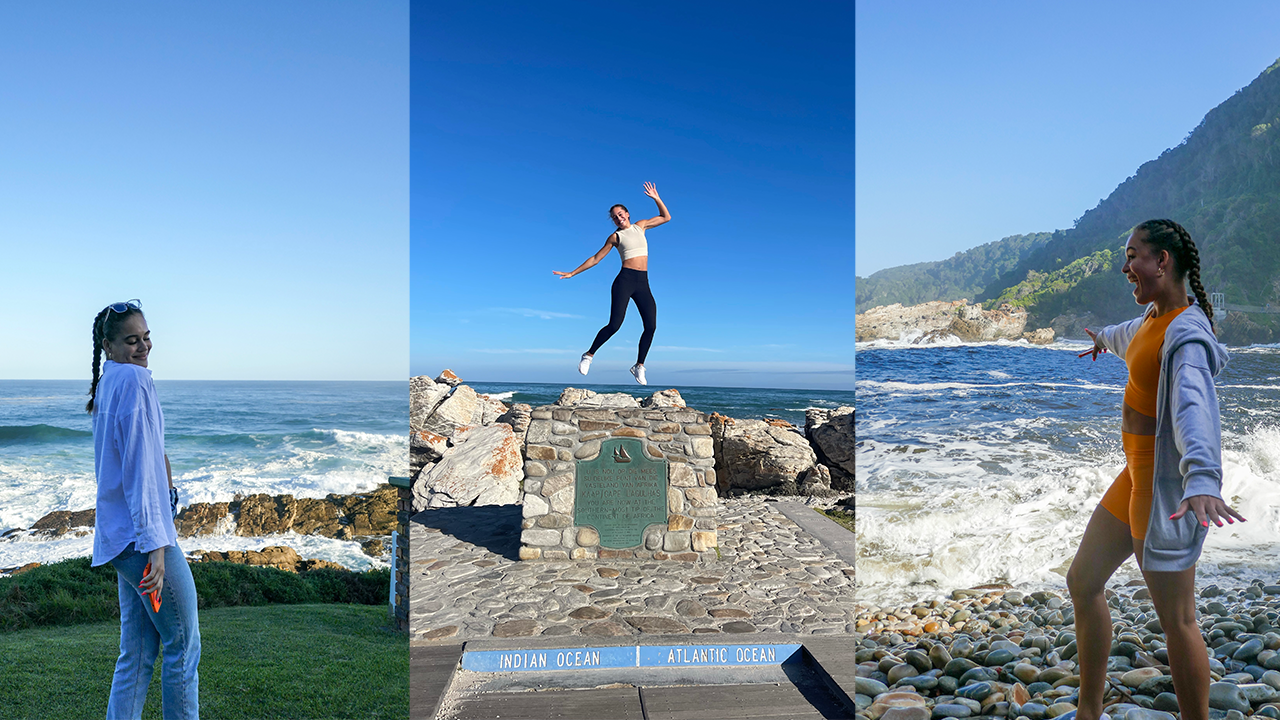
By Nat Marshall
Special Contributor
Growing up, I often found myself straddling the line between racial identities and grappling with questions of belonging and acceptance. My mom is white and my dad is Black, so I identify as biracial. This identity of mine shapes so much about how I view myself, other people, and the world. My experiences being both Black and white while navigating the complex structure of race in the United States has had a profound impact on my life. Whether I find myself code-switching in new environments, exploring various kinds of music to listen to, or trying new hairstyles, I find that my biracial identity influences all of it – even traveling.
Traveling has always been a huge part of my life. I’m the only daughter of two parents that love to travel to new places, try unfamiliar foods, and search for fun experiences. For as long as I can remember, we were on planes or in cars going to new areas – whether that be the restaurant that opened down the street, a cute beach town on the coast for us to explore, or a city in Europe that we hadn’t been to. I love that I am able to share these experiences with my family and grow together.
Being biracial has allowed me to immerse myself in multiple cultures and bridge the gap between different racial communities. This has been even more prevalent during my most recent trip, which was a three-week study abroad program to South Africa with Notre Dame. The program was run by Notre Dame International (NDI), which aims to provide students and faculty with international opportunities through education, research, networking, and engagement.
Embracing my multicultural heritage has broadened my perspectives, and I have developed a desire and appreciation to learn about the diversity of human experiences. When I found out that South Africa was an option for my summer study abroad program, I knew immediately that I wanted to experience that for myself. Traveling to Africa has been a dream of mine for as long as I can remember because it seemed like a place where I could connect with my Blackness in a way that would feel authentic, empowering, and transformative. This trip seemed like the perfect opportunity for me to learn more about both African and Black culture(s), explore my own racial identity, and forge meaningful connections with my peers and the local community.
South Africa in particular has a complex history marked by racial segregation and a struggle in the fight against Apartheid. As a biracial woman, I can relate to the experiences of people who have faced discrimination and more importantly, I understand the sacrifice and bravery that it takes for marginalized people to resist racial oppression and overcome racial barriers.
Our study abroad program consisted of 21 undergraduate and graduate students from Notre Dame and was led by psychology professor Anre Venter. Professor Venter, who prefers to go by just Anre, was born and raised in South Africa and offered the most insightful, personable experiences about the country and its history that I would not have received had I not gone with him.
One of the most memorable parts of the trip for me was when our group visited Constitutional Hill in Johannesburg, which is a former prison complex-turned historical site. During the tour, our guide described the inhumane conditions of how many South Africans were treated at the prison during Apartheid, and many of them were activists advocating for a more equitable society for all South Africans. Yet it wasn’t these discussions that stuck with me the most…it was an area at the end of the tour that allowed visitors to leave personal notes.